Recognition Relationships Resilience - Field Notes Issue 004
RK Collective on designer resilience, systems thinking, and the gap between good intent and working outcomes. Resilience is not what you design for communities. It is what you have to cultivate in yourself first. Issue 004 introduces Recognition, Relationships, Resilience.
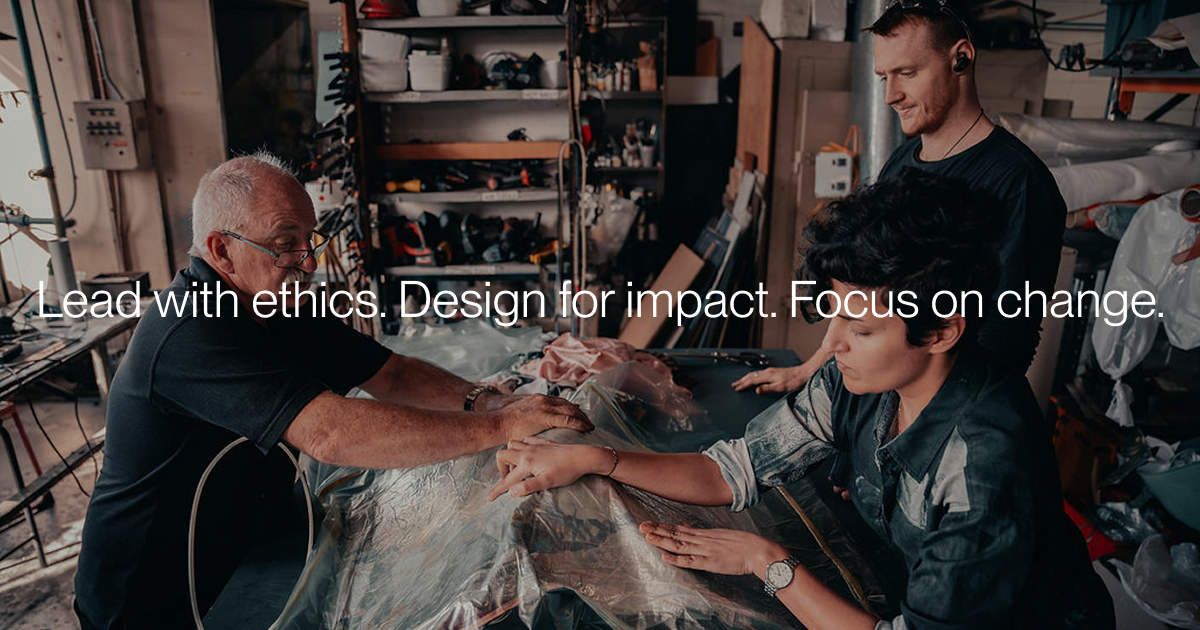
Welcome back to Field Notes from RK Collective, a Sydney based product design studio helping our collaborators turn their ambitious ideas into real products, systems and experiences; designed with the communities they are meant to serve, built on circular principles, and delivered from strategy to market.
Field Notes is our monthly dispatch, not a portfolio update or a pitch. Just an honest account of what we're making, reading, and wrestling with. If you'd rather not be here, no hard feelings, unsubscribe below. If you stay, we'll make it worth your while.
This Monday we celebrated World Industrial Design Day
On June 29th, the World Design Organisation brought the global design community together for World Industrial Design Day 2026, streaming a full programme of conversations on how resilience is shaping the future of design across disciplines, communities and industries. RK Collective was invited to participate with a session on Crafted Liberation, an invitation to sit with the story, not just look at it.
Design discourse has generated a lot of language around designing resilient products, resilient cities, resilient communities, resilient supply chains. Considerably less about what it takes for a designer to remain capable of genuine presence inside complex problems, over time, without closing down. That gap is what this issue addresses.
The 3R Approach: Recognition, Relationships and Resilience
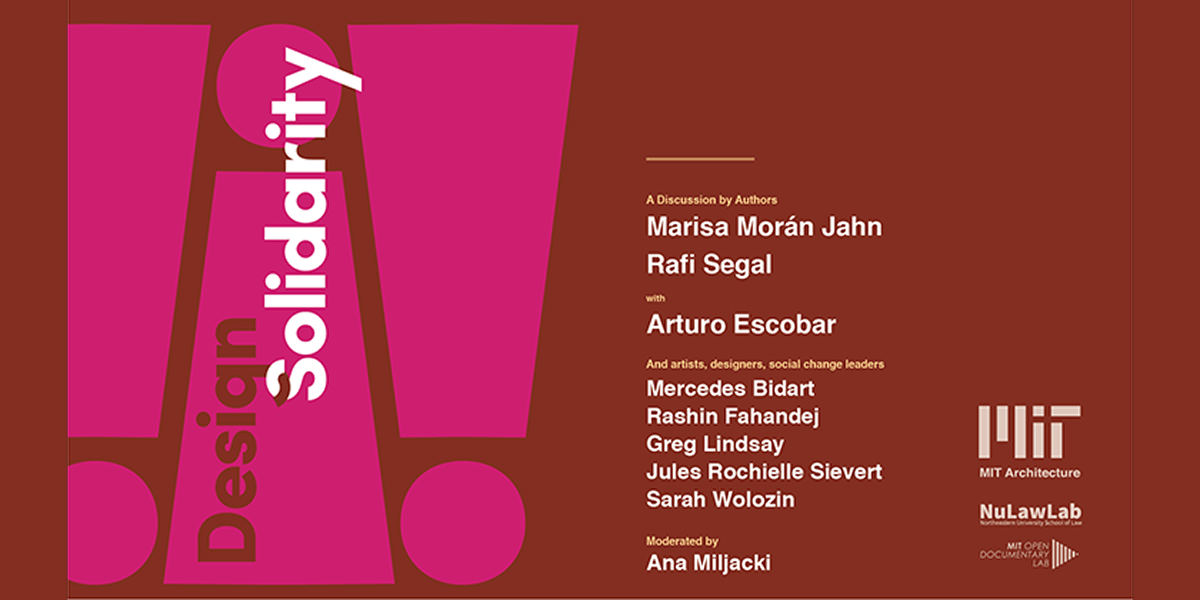
In this Issue, We wanted to return to Rafi Segal's Design Solidarity.
The authors argue that involving design only in the 'tactical execution' of a solution is itself a reductionist mindset. When designers recognise their moral agency fully, the role expands beyond servicing the demands of a single client or institution. Design solidarity takes place as a dialogue between form and collective self-transformation.
The imperative to design with, for and through solidarity, re-situates with whom we work, how we work, and how we can design beyond the capitalocentric conventions.
That framing names something we keep encountering in practice. Most briefs arrive already partitioned. A component to optimise. A pain point to fix. A milestone with a deadline. This is not inherently wrong. But it produces a specific kind of blindness: when you solve for the part without holding the whole, you do not create resilience. You relocate fragility.
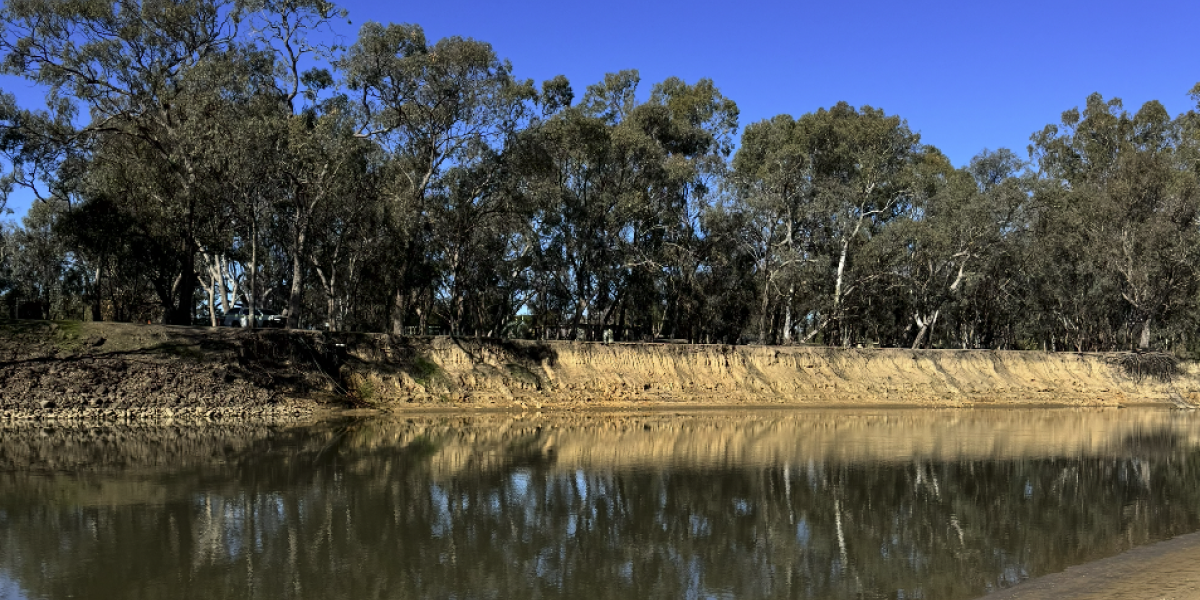
Reductionist thinking is a trained habit of seeing. Break the problem into components, optimise each one, trust the whole will follow. It is mechanical; Take the mechanism apart, understand each piece, reassemble. But apply the same method to a river, partition it and solve each component, then put it back together, and you do not end up with a living thing. You understand the parts. You lose the system.
As Leyla Acaroglu points out, Systems thinking calls the alternative holism: seeing the whole before the parts, asking not what is broken but what the system is actually trying to do, who benefits from its current operation, and what deeper structures keep reproducing the same outcomes regardless of which components are replaced.
Across several projects this year, this has crystallised into three lenses we bring to every engagement at every scale:
Recognition comes first. Observing and recognising honestly before assuming and designing. Not just the immediate problem, but the patterns underneath the system: who is centred, who is not, and why those conditions keep reproducing. It also means taking seriously what communities already hold as design intelligence that no written brief will ever capture.
Relationships follow from that recognition. Not just stakeholder maps or managed engagement processes. The kind of relationships that make systemic design work require sustained presence, shared risk, and genuine curiosity about what a community is already doing to hold itself together. We keep asking, whose already doing the work, whose ambitions could become something material, something lasting, something genuinely theirs?
Resilience is what the system slowly builds if the first two are done well. It lives in the system that gets designed and in the people doing the designing.
That last part is the honest internal tension in this issue. Rebecca Price and Mieke van der Bijl-Brouwer, whose research on designer resilience at TU Delft produced The Resilient Designer's Handbook, make a distinction: resilience is not only what we build for communities. It is what we cultivate in ourselves as a precondition for showing up. You cannot hold a community's complexity if your own capacity is not tended. The handbook is free to download at resilientdesigners.com and we recommend it without reservation.
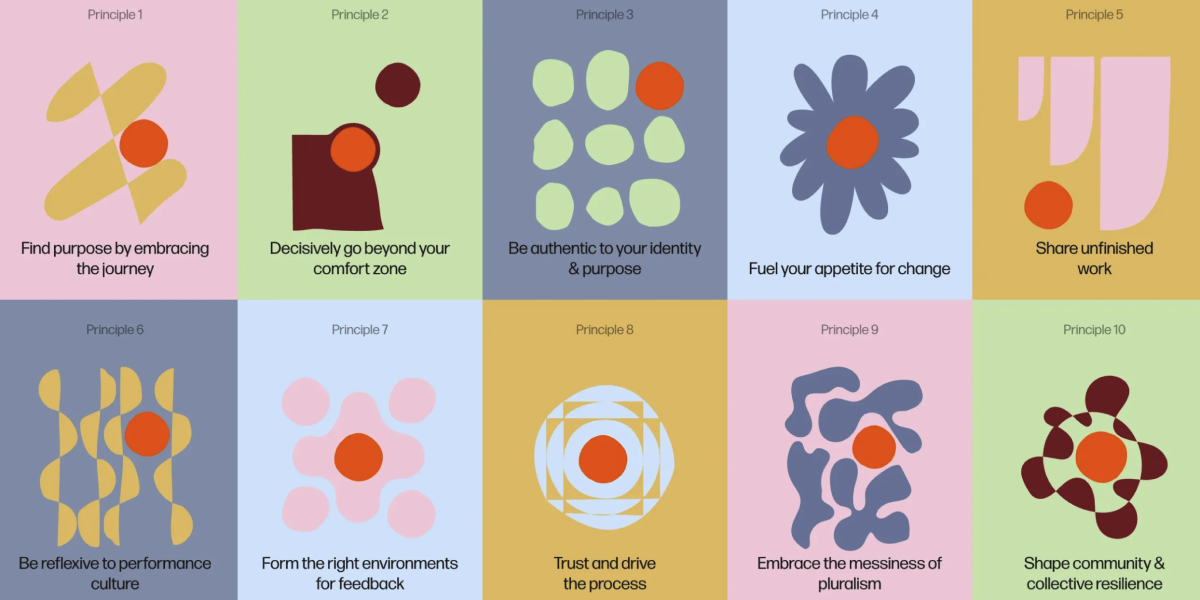
A Moment in the Studio
This term RK Collective has welcomed a new cohort of talented designers and communicators through Work Integrated Learning at UNSW Art & Design. The next generation of practitioners bring fresh rigour and curiosity to live projects, and that energy is keeping the work exciting.
A new collaboration with UNSW Sports is underway, using design to build more vibrant and connected campus communities, celebrating who belongs to a place and why that belonging matters. More soon.
Two proposals recently submitted have us hopeful. One is with an organisation that holds extraordinary cultural knowledge and wants to turn it into products and experiences that reach the world on its own terms. The other is with a community of makers, women and people who have faced significant barriers, building economic agency through co-created design. Both sit at the intersection of storytelling, co-creation, and collective intelligence. Both are exactly the kind of work that only happens when an organisation is ready to trust its community as the expert. Both are exactly what we dreamed of when we started RK Collective.
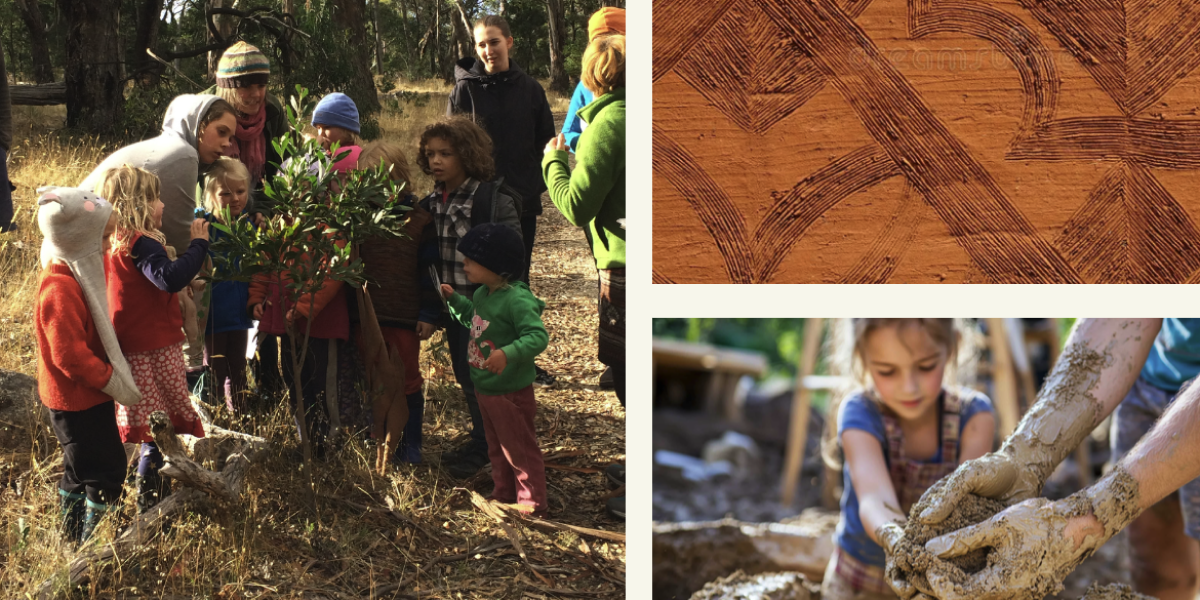
Chris is back in Sydney this week after five weeks in Austria and southern Germany, visiting fabricators, material innovators, and engineers building hardware at serious scale. Across every conversation, the same pattern kept surfacing: teams with the right people and the right intent, losing ground between the idea and the outcome because nobody had designed how the work connects. We are starting a new engagement this week inside an organisation navigating a similar situation, and it is putting the Recognition, Relationships and Resilience viewpoint directly to work in a new context.
In other news
Nila is giving a keynote at this year’s UX Australia conference, in Sydney on 27 and 28 August, We will unpack the topic in Issue 005.
Happy Belated World Industrial Design Day!
We are always seeking new collaborators, If that’s you, write to us: info@rk-collective.com
Nila & Chris at RK Collective,
Based in Sydney, Working Internationally
rk-collective.com