What Design Can Actually Offer - Field Notes Issue 002
RK Collective on capacity building, participation in practice, and circular design that goes beyond good intentions. What good leadership actually looks like inside complex projects.
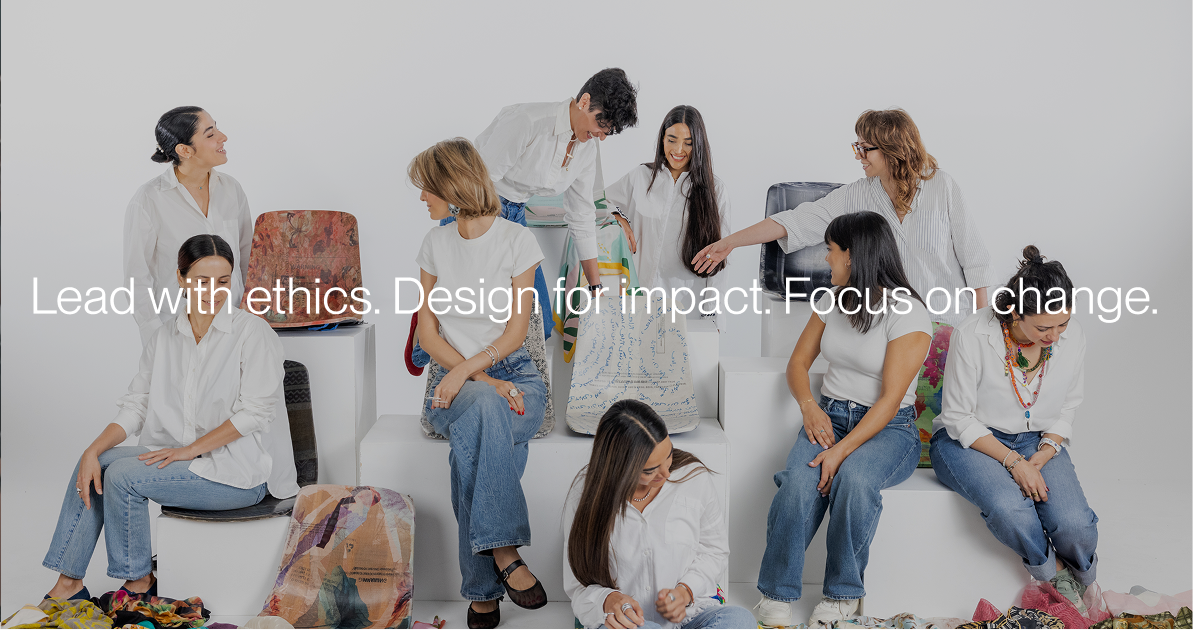
Welcome back to Field Notes from RK Collective, a Sydney based product design studio helping our collaborators turn their impact ambitions into tangible products, systems and experiences; designed with the communities they are meant to serve, built on circular principles, and delivered from strategy to market.
Field Notes is our monthly dispatch, not a portfolio update or a pitch. Just an honest account of what we're making, reading, and wrestling with. If you'd rather not be here, no hard feelings, unsubscribe below. If you stay, we'll make it worth your while.
From Design as Problem Solving, to Capacity Building.
By Nila Rezaei
I probably ask myself this every day: are we solving problems through design, or are we creating more of them?
Designers are trained to see problems and find a new way of solving them, and that works in some cases. But lots of the problems we are facing today don't work that way, they can't be solved as such. They're already being worked on, by farmers, by neighbours, by community organisers, by social enterprises, by people who would never call themselves designers but are quietly building better systems every day.
The question isn't how we solve problems through design. It's what we can offer as designers to the people already doing it. I see it as a lost opportunity, when people and organisations claim space in these areas primarily to position themselves rather than to genuinely contribute. That space requires collective care. Taking it without doing the work crowds out the people doing the hard work.
We're trying to show up differently. Not as the people with the answers, but as the people who can help make change visible, tangible, and actionable for those already in it. Better questions. New formats for gathering and collaborating. Objects and prototypes that make invisible work real enough to understand and build on.
The reframe for me is from solution provider to capacity amplifier.
Participation is a Muscle
Lately, I've been listening to Inselmilieu Reportage #16, Demokratie im Freibad. A Viennese podcast goes to a public pool to ask what democracy looks like in everyday life. At the Liesinger Bad in Vienna's south, they sit in on a Democracy Fitness (Demokratiefitness) workshop run by the city's Office for Participation (Büro für Mitwirkung), where participants train "muscles" like curiosity, active listening, empathy, and courage, all on the premise that democracy lives from participation, and participation is a practice that needs training and regular use.
That insight travels. Swap democracy for team, and the workshop reads like a quiet diagnosis of how startups, scaleups and projects actually function. Leaders say they want teams that participate, that speak up, that hold the tension between viewpoints, that propose change without being asked, and then often assume that participation just happens because the values deck says "Be curious and shape our future." But it rarely does. Curiosity means something different to an engineer than to a marketer. On multicultural teams, articulation belongs on the list too. These are muscles. They need reps, they need context, and they need to be actively dealt with.
So maybe the work is reflecting and asking ourselves, on every team and project we're part of, whether we're actually building the kind of participation we say we want, or just hoping for it. Without those conditions, participation feels more like theatre where a few perform and the rest is watching.
A Moment in the Studio: Co-Designing Assistive Tech
Circular Design is Harder Than It Sounds
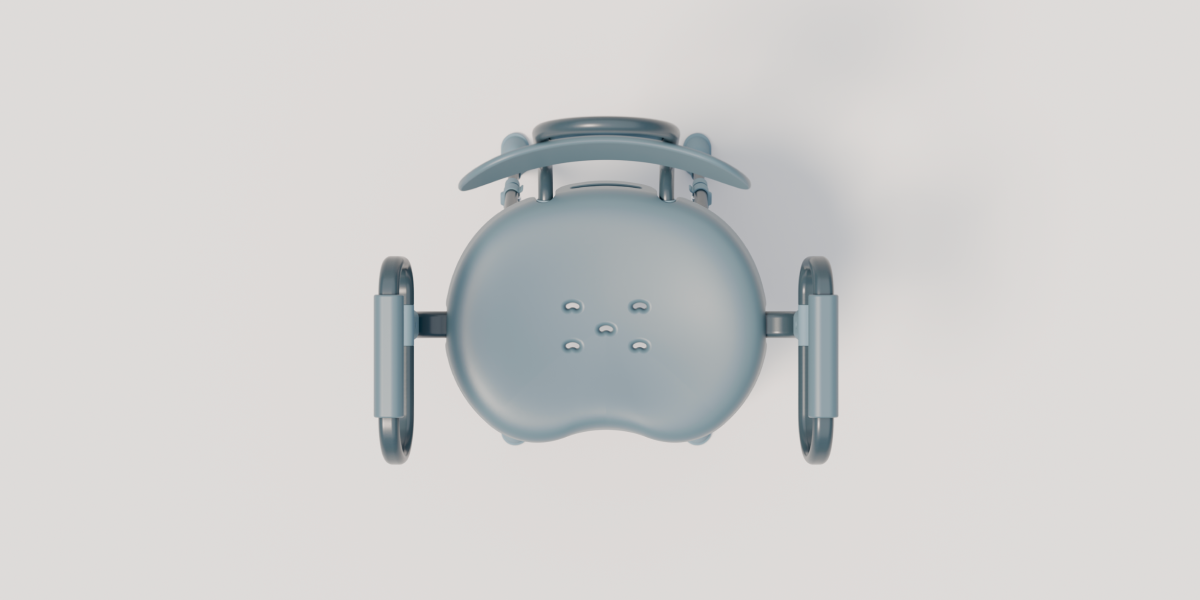
We have been working with the brilliant Sophie and Jessie, co-founders of FABB (Feel-a-Bit-Better), on a shower seat platform co-designed with people with lived experience of disability. A product that is not only loved by people, but designed with circularity in mind from day one.
Circularity in practice is hard. Making sure a product is durable, repairable, available as a product-as-service rental model, and designed with a clear end of life plan, in a way that actually makes sense in a business case. Most manufacturers aren't set up for this. It's not unwillingness, it's that their systems, supply chains and processes aren't designed for it, Yet.
Sophie and Jessie will be at the ATSA Independent Living Expo in Sydney, 13 to 14 May. If you work in disability, assistive tech, or care, go and meet them.
In May, a Crafted Liberation chair made with Parisima Kouklan's Cloth of Unity protest fabrics from the 2022 Melbourne protests will be shown at the 100 Chairs exhibition at Abbotsford Convent, Melbourne Design Week. 14 to 24 May. Come if you're in Melbourne.
"Two Iranian-Australian women designers, both shaped by what it means to carry culture across borders, collaborating to make something that belongs entirely to Melbourne. Parisima collected 55 metres of fabric signed by citizens who joined protests in Melbourne, the Cloth of Unity. We're embedding those stories into a chair. Melbourne voices, held in material. It feels right for Melbourne Design Week"
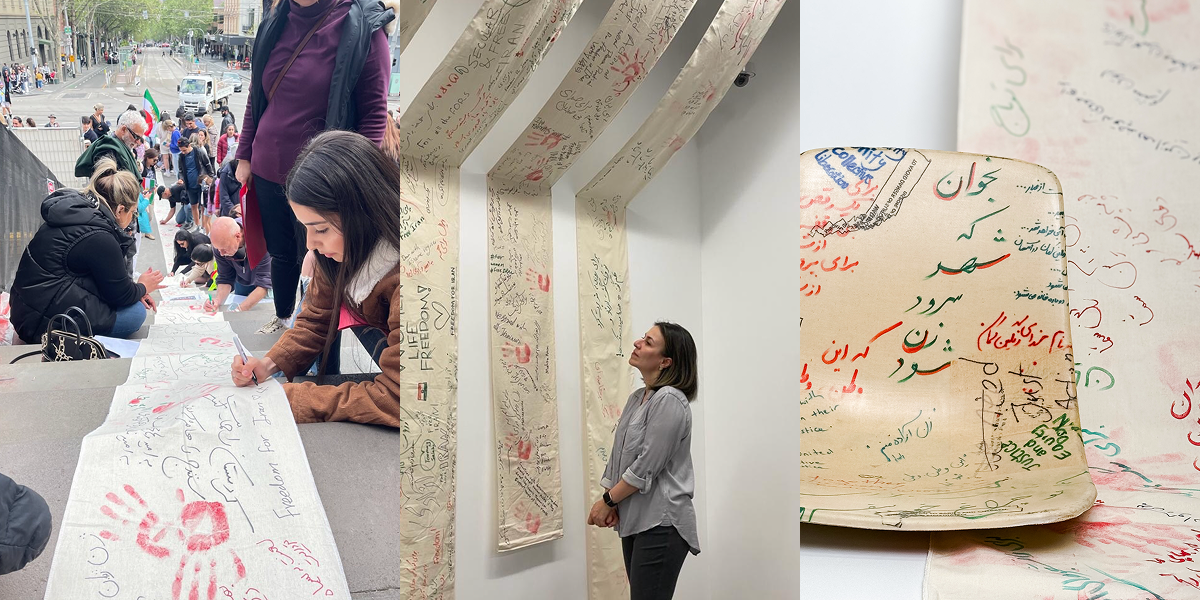
This project is an evolution of our Material Storytelling Framework developed by RK Collective, the same thinking that underpins Crafted Liberation.
In other news
Honoured to be named a finalist in the Doha Design Prize , we will be flying to Doha later this year, more to come on this.
Nila is returning as a juror for the Good Design Australia Awards Social Impact category. The deadline is reaching soon, be sure to submit your entries!
Chris will attend Blackbirds Sunrise event on 30th April. Reach out if you'd like to exchange real-life stories of product design and the eventful start-up life.
We also remain committed to supporting early-stage entrepreneurs in developing their ideas by mentoring and judging at the Founders Institute, Australia's pre-seed accelerator.
You can't solve a system. But you can show up inside it and help the people already doing the work do more of it.
Nila & Chris at RK Collective, Sydney rk-collective.com